
Pedal assistance
E-bike
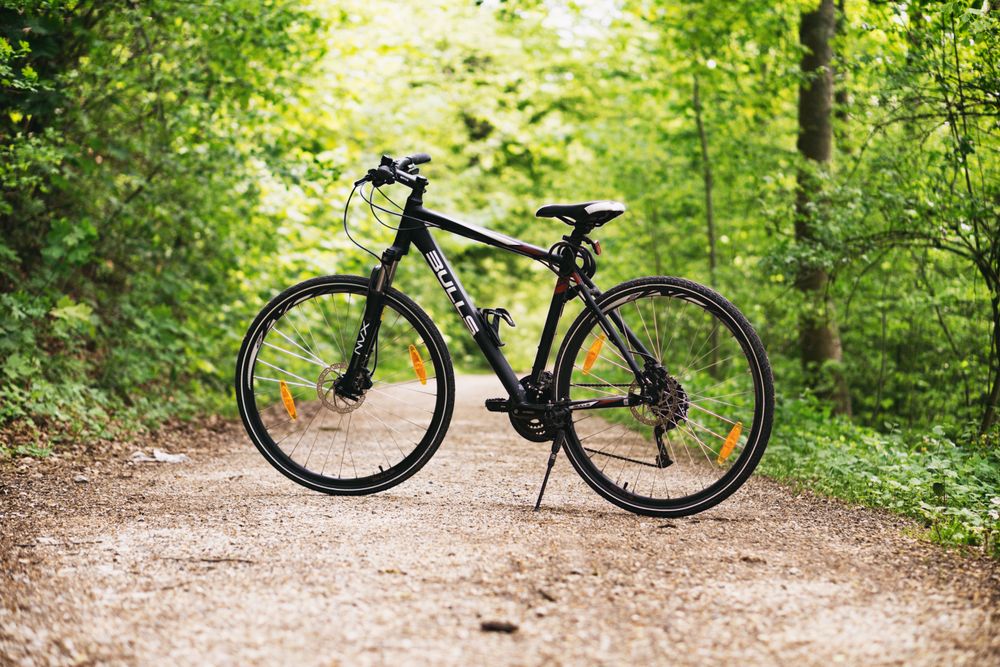
An electric motor assists only while the rider pedals. It can reduce effort on longer stages or in headwinds, but the cycle’s weight, mounting height, controls and battery range still need checking.
Inclusive trip planning
With a suitable cycle, thoughtful fitting and a realistic route, many people with disabilities or health conditions can enjoy cycling in Holland. Use this guide to understand the main cycle types and prepare useful questions before renting.

Start with the rider
A disability or health condition does not automatically rule out cycling. Electric assistance, additional wheels, supportive seating, hand propulsion and cycles designed for two people can address different needs.
No single model suits everyone. Balance, transfer method, seating position, steering, braking, vision, fatigue and whether a companion will ride all affect the choice. A trial with an experienced rental provider is more useful than selecting from a photograph alone.
This is general trip-planning information, not medical or clinical advice. Discuss relevant health questions with a qualified professional and ask the rental provider for fitting, controls and safe-use guidance.
Cycle options
These cycles may suit riders who can pedal but benefit from assistance, shared control, a different riding position or extra stability.
An electric motor assists only while the rider pedals. It can reduce effort on longer stages or in headwinds, but the cycle’s weight, mounting height, controls and battery range still need checking.
A tandem lets two riders travel together while one rider takes primary responsibility for steering and traffic decisions. It can be useful for riders with visual or learning disabilities when paired with a confident pilot.

A reclined seat changes how the rider’s weight is supported. Two- and three-wheel models are available; a tricycle format can add stability. Visibility, transfer technique and low-speed handling should be tested.
Three wheels remove the need to balance at a standstill. Models differ widely in frame shape, seat support, width, steering and electric assistance, so dimensions and handling need careful assessment.

A handcycle uses the arms to propel and steer. Some are complete cycles; others attach to a compatible wheelchair. Gearing, braking, transfer needs, assistance and the planned gradient all matter.

Two riders sit beside each other, often with one person controlling steering and braking. Some models provide individual pedal settings, supportive seats, swivel access or electric assistance.

This format carries a wheelchair user at the front of a cycle. Designs may use a built-in seat or secure a compatible wheelchair. Loading, restraints, total width and the rider’s training require confirmation.

A detachable front unit can convert a compatible wheelchair for hand propulsion. Connection points, front-wheel clearance, braking and whether power assistance is needed should be checked before use.

A standard frame may sometimes be adapted with a low step-through, different controls, crank changes, foot supports or a supportive saddle. Ask a specialist to confirm that adaptations work together safely.
Before reserving
Availability alone does not make a cycle suitable. Give the provider clear information and arrange enough time for adjustment and a supervised test.
Finding a rental
Specialised cycles are less widely available than conventional bicycles and may require advance fitting. Confirm current availability directly before arranging transport or accommodation.
E-bikes and tandems may be available from general rental businesses, particularly in visitor areas. Ask for the exact frame or tandem configuration rather than assuming every branch has the same fleet.
Recumbents, tricycles, handcycles, duo cycles and wheelchair transport cycles usually require a specialist provider. The source guide identified these external starting points:
Check before relying on a listing: External fleets, opening arrangements and rental policies can change. Contact the provider directly, name the exact cycle type and date, discuss measurements and support needs, and obtain confirmation before travelling.
How to plan
A short, tested first ride gives you better information than committing immediately to a long itinerary.
List transfer, seating, balance, control, communication, fatigue and companion requirements.
Book fitting time and test starting, stopping, turning, braking and assistance controls.
Begin with smooth surfaces, manageable distance, rest points and an easy return option.
Carry provider details and agree what to do if comfort, weather or equipment changes the plan.
Common questions
Concrete questions to discuss with your provider and riding companions before departure.
Do not rely on it. Fleets are often small, and fitting or staff support may need arranging. Reserve well in advance and obtain confirmation.
No. Assistance can reduce effort, but the rider still needs an appropriate position and safe control. E-bikes are also heavier, particularly when pushed or handled without motor assistance.
A tandem places riders one behind the other; a duo cycle places them side by side. Control arrangements, communication, mounting, width and seating support differ, so both should be assessed against the riders’ needs.
Many paths are generous, but barriers, narrow gates, parking layouts and sharp turns can create constraints. Check the cycle’s width and review the planned route.
Never assume it can. Size and cycle-type restrictions vary by operator and service. Confirm current rules directly before making a combined bicycle-and-transit plan.
Test transfers, supports, steering, brakes, gears, electric assistance, starts, stops and turns. Confirm charging, locks, adjustments and breakdown procedures.
A shorter loop is usually more informative. It lets riders assess comfort and handling while keeping a simple return option.
About this guide
Holland Cycling organises route and trip-planning information for people exploring the Netherlands by bicycle. This page offers a starting vocabulary for adaptive cycle choices; it does not assess individual suitability.
Rental availability, access conditions and transport rules can change. Verify important details with the relevant provider before travelling.
Explore more tips and informationFor a correction or a question about information published by Holland Cycling, contact: