Family cycling guide

Cycling with children

Separate cycle paths, mostly level terrain and plenty of places to pause make Holland a rewarding setting for a family ride. Match the bicycle setup and distance to each child, then leave room for curiosity along the way.

Family bicycles ready for a relaxed outdoor ride
Plan shorter stages, frequent stops and a setup suited to every child.
Start smallChoose a short first outing
Fit firstCheck seats, straps and helmets
Follow calm routesPrefer separated cycle paths
Keep options openPlan breaks and a shorter return

Younger passengers

Carrying children who are not yet riding

The right arrangement depends on age, size, development, how many children are travelling and the length of the ride. Always use equipment within its stated limits and follow its fitting instructions.

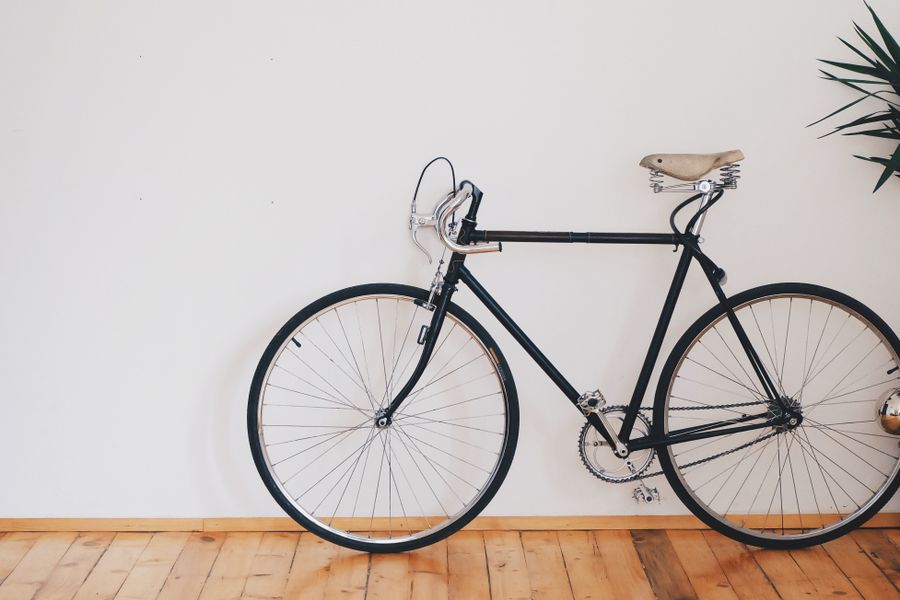
Adult bicycle prepared for a family outing
Compact option

Front or rear child seat

A correctly fitted child seat can suit everyday journeys and shorter rides. Check that the seat matches the bicycle and child, and that feet, straps and guards are secure.

Children remain still for much of the journey, so wind and cool conditions can affect them before the adult rider notices.

Review traffic rules for cyclists

Bicycle travelling on a quiet path through green countryside
Sheltered travel

Child bicycle trailer

A trailer can provide room for one or more children, weather protection and space for a few essentials. Its extra width and turning behaviour require practice before a longer outing.

Confirm the coupling, harness, visibility features and permitted load. Think ahead about parking and storage.

Sturdy city bicycle parked near a waterside route
More capacity

Cargo bicycle

Cargo bicycles can carry children and day-trip equipment in one practical setup. Designs differ considerably in balance, steering, weather cover and electrical assistance.

Try the bicycle before departure, practise starts and stops, and allow extra space when turning or parking. Its size and weight may make transport and storage less straightforward.

Check bicycle rental guidance
Cycling equipment arranged for a careful family journey
For infants

Use extra caution with babies

Infants need appropriate head and neck support, and not every carrier or bicycle arrangement is designed or approved for cycling. Avoid improvising with equipment intended only for a car.

Before travelling, consult the equipment manufacturer and current official safety advice. If suitability is uncertain, postpone the ride or choose another form of transport.

Cyclists following a quiet paved route through trees

Children who can pedal

Share the effort without overestimating the distance

Once a child can control a bicycle reliably, begin on a quiet route away from complex traffic. Confidence, attention and stamina develop at different rates, so age alone is not a complete guide.

  • Independent bicycle: best when the child can start, stop, steer and respond predictably.
  • Trailer cycle: lets a child pedal while the adult controls direction and most of the effort.
  • Tow system: can help on selected sections, but must be compatible and fitted exactly as directed.
  • Family tandem: keeps the child connected to the adult while allowing shared pedalling.

Whichever option you choose, test it on a familiar, low-traffic route before making it part of a holiday itinerary.

How to plan the day

Build a family ride in four steps

A manageable outing is usually better than an ambitious mileage target. Plan around the least experienced rider and treat stops as part of the journey.

Choose the setup

Decide who rides independently and who travels in a seat, trailer, cargo bicycle or connected cycle. Check fit, limits and compatibility.

Pick a forgiving route

Prioritise separated paths, simple crossings and places to stop. Avoid a first ride through the busiest city streets.

Set a modest distance

Allow for slower progress, snacks, toilets and unexpected pauses. Identify an early turning point or a shorter loop.

Check before departure

Inspect brakes, tyres, lights, couplings, restraints and clothing. Recheck attachments after the first few minutes.

Riding together

Help children move predictably in traffic

Adults should model clear, calm behaviour. Agree on simple instructions before departure and stop somewhere safe if directions need explaining.

Keep the child visible

Position yourself so you can continuously see the child and respond early. The best arrangement depends on the route and the child's ability.

Create space from traffic

Where practical, place the adult between the child and passing traffic while maintaining enough room to ride safely.

Practise key actions

Rehearse starting, stopping, signalling, looking and following instructions on a quiet path before entering traffic.

Be ready to stop

Fatigue and distraction can appear quickly. Take a break before concentration fades, rather than pushing on to a fixed target.

Common questions

Before a family ride

These answers are planning guidance. Equipment limits and transport rules should always be checked with the relevant manufacturer or provider.

How far should children cycle?

There is no universal distance. Begin well below the child's usual limit, include frequent breaks and keep a simple way to shorten the ride.

Should a child ride in front or behind the adult?

The adult must be able to see and supervise the child. On some calm paths, riding behind the child gives a clear view; in other situations, positioning may differ. Agree on instructions and avoid shouting complicated directions.

Can we rent child seats, trailers or children's bicycles?

Availability varies by provider and destination. Reserve specialist equipment in advance and confirm the child's size, weight, fit and the exact accessories supplied.

Is a cargo bicycle easy to ride?

It can feel different from a standard bicycle, particularly when starting, turning and braking. Practise without passengers first, then add weight gradually in a safe area.

What should we pack for children?

Bring water, snacks, layers, rain protection, sun protection and any essential personal items. Children sitting in a seat or trailer may need warmer clothing than the adult rider.

How do we choose a safe route?

Look for separated cycle paths, simple junctions, low traffic and regular stopping places. Review the route beforehand and identify a shorter alternative.

Can bicycles and family equipment travel by train?

Conditions can vary by operator, service, time and equipment type. Standard bicycles, trailers and cargo bicycles may be treated differently, so check current rail rules before travel.

About this site

Practical guidance for independent family trips

Holland Cycling is an editorial planning resource for people exploring the Netherlands by bicycle. This page helps families compare common cycling arrangements and plan a manageable day.

Rules, equipment specifications and transport conditions can change. Confirm important details with official sources, manufacturers and service providers before departure.

Learn more about this site

Have a practical question?

For an editorial correction or a question about Holland Cycling, contact:

info@holland-cycling.com-uk.com

View contact information